
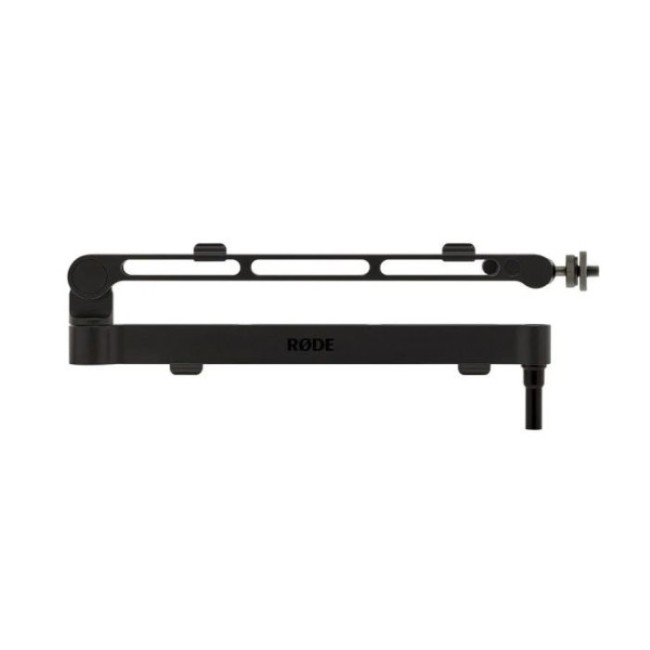
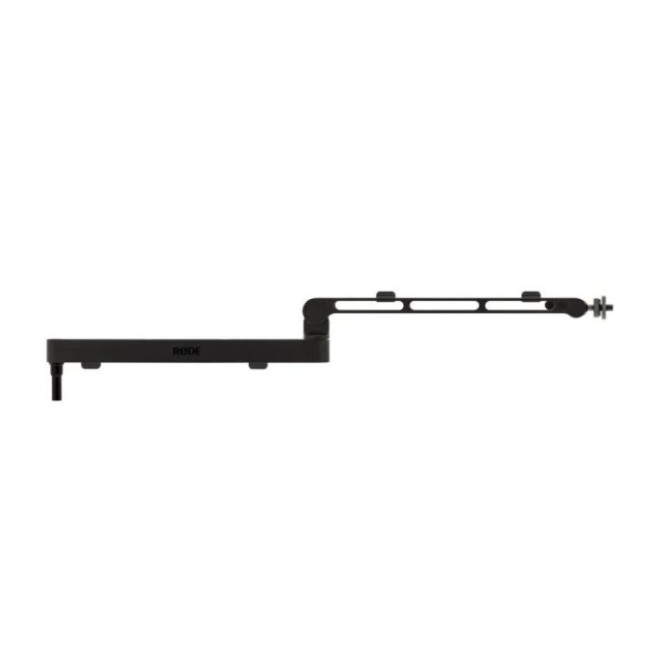
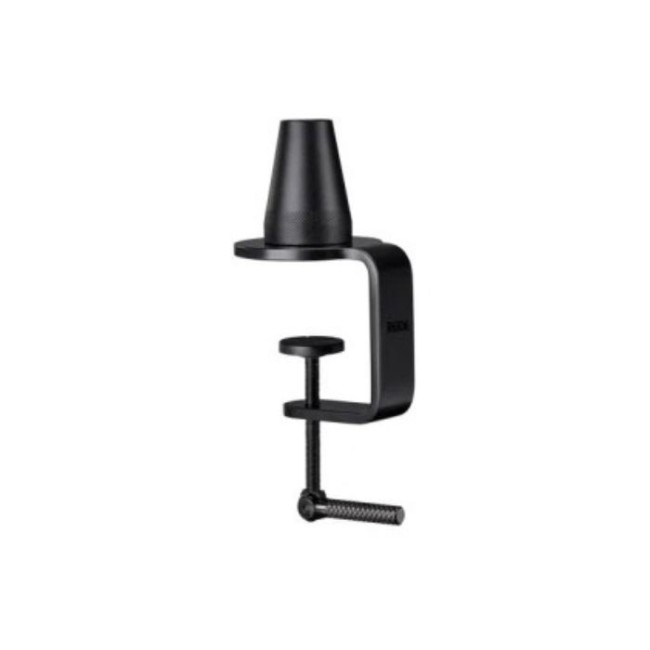
Rode LPA1 Low Profile Studio Arm


- Condition: New
 This item cannot be returned or exchanged
  Cash on Delivery available
 Description for Rode LPA1 Low Profile Studio Arm
- Low-profile horizontal design
- 650mm (25.6") horizontal reach
- Full 360-degree rotation
- Wide vertical adjustment range
- 2kg (4.4lb) load capacity
- Supports end-address and side-address microphones
- Silent repositioning
- Integrated internal cable management
- Supports XLR and USB cables
- Included desk clamp
- Universal thread compatibility
- Suitable for podcasting, broadcasting, interviews, and content creation
FEATURES
Low-Profile Horizontal Design
The RØDE LPA1 extends horizontally rather than arcing overhead, keeping the microphone below the camera line of sight for a clean and unobstructed frame.
650mm Horizontal Reach
With a horizontal reach of 650mm (25.6 inches) from the desk clamp, the LPA1 provides flexible microphone positioning across a studio desk.
360-Degree Rotation
The arm rotates through a full 360 degrees and provides a wide vertical adjustment range for convenient microphone positioning.
2kg Load Capacity
The LPA1 supports up to 2kg (4.4lb), making it suitable for broadcast dynamic microphones, large-diaphragm condenser microphones with shock mounts, and compatible accessories.
Supports Different Microphone Designs
The studio arm accommodates both end-address and side-address microphones, providing flexibility for different recording setups.
Silent Operation
The LPA1 is designed for quiet movement, allowing the microphone to be repositioned during recording without introducing unwanted spring or mechanical noise.
Integrated Cable Management
Internal cable management keeps XLR and USB cables concealed within the arm, helping maintain a clean and organized studio setup.
Desk Clamp Included
The included desk clamp provides a convenient mounting solution for studio desks and workstations.
Universal Thread Compatibility
Universal thread compatibility allows the LPA1 to work with standard microphone clips, shock mounts, and compatible accessory heads.
Ideal for Podcasting and Content Creation
The low-profile design is particularly useful for podcast studios, interview setups, streaming, and single-camera content creation where keeping the microphone outside the camera frame is important.